
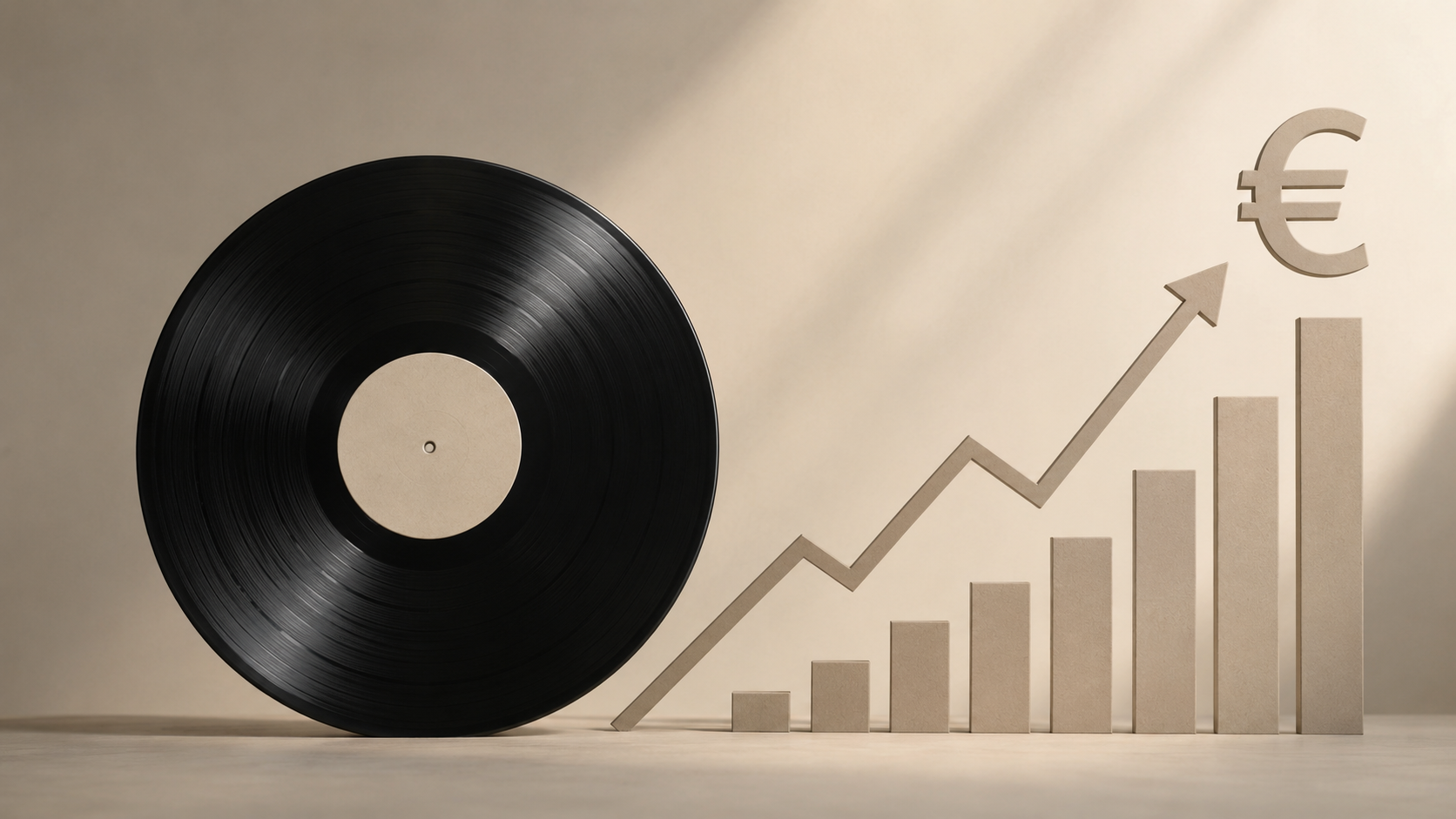
Anyone who has walked into a record store recently will have noticed it immediately: vinyl records are more expensive than they were a few years ago. A standard LP that used to cost fifteen euros can now easily have a price tag of thirty euros or more. But why is that? And what does this mean for your collection? In this article, we delve into the real reasons behind the rising vinyl prices.
Vinyl records more expensive due to higher production costs
The production of an LP is a labor-intensive process. Vinyl, the raw material for every record, is an oil derivative. As a result, LP prices rise with global energy prices. Moreover, there are only a handful of pressing plants worldwide that produce vinyl. The demand for vinyl has increased enormously in recent years, but the supply of production capacity has grown much slower. The result is a long waiting list at the pressing plants and higher costs per pressed record.
In addition, transport costs have also increased. An LP weighs more than a CD or a digital file, which means shipping and logistics play a greater role in the final price. As a result, consumers pay more, even if the music itself does not change.
Vinyl records more expensive due to growing popularity
The cost of collecting vinyl was low for years because the market was small. However, that has fundamentally changed. Major artists such as Taylor Swift, Harry Styles, and Billie Eilish release their albums in dozens of color variants and limited editions. This strategy drives up the average price. In addition, these releases attract a whole new audience: young people who discover vinyl as a tangible, beautiful, and valuable object.
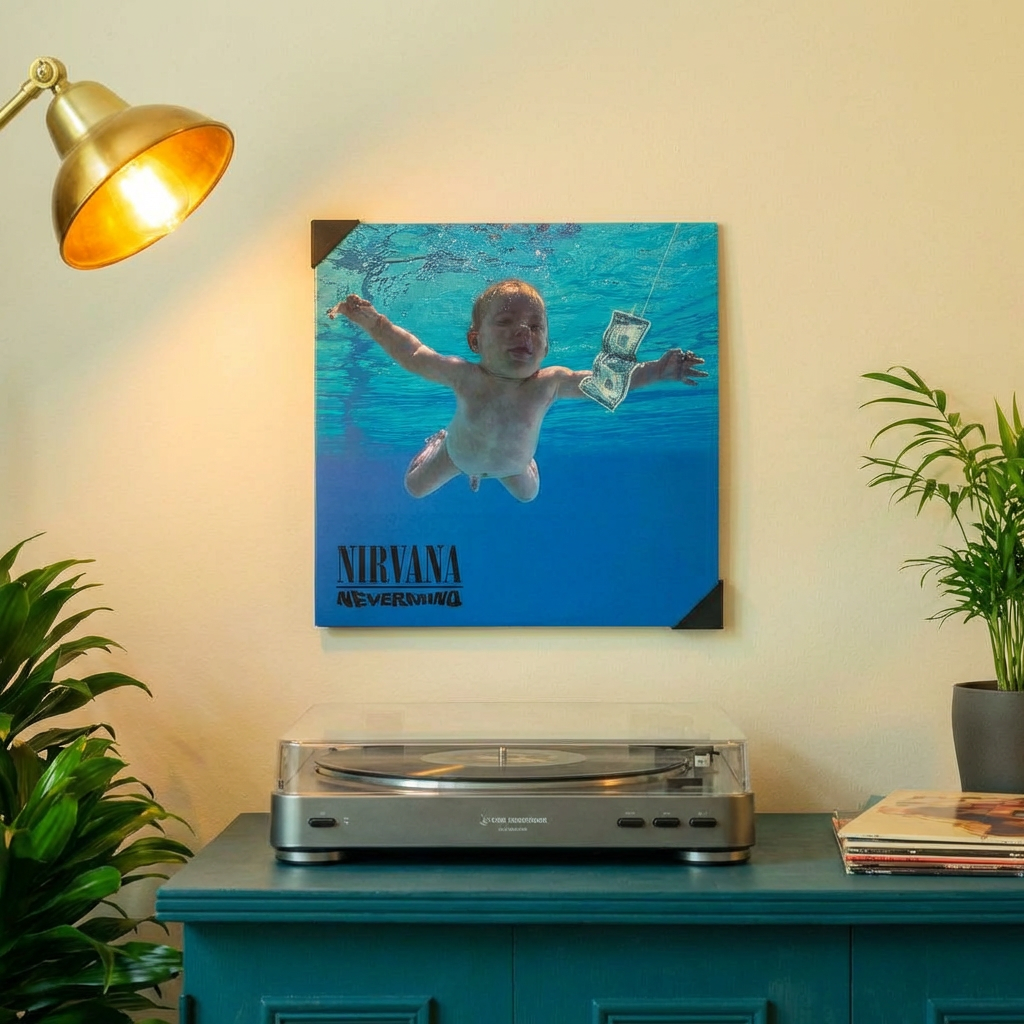
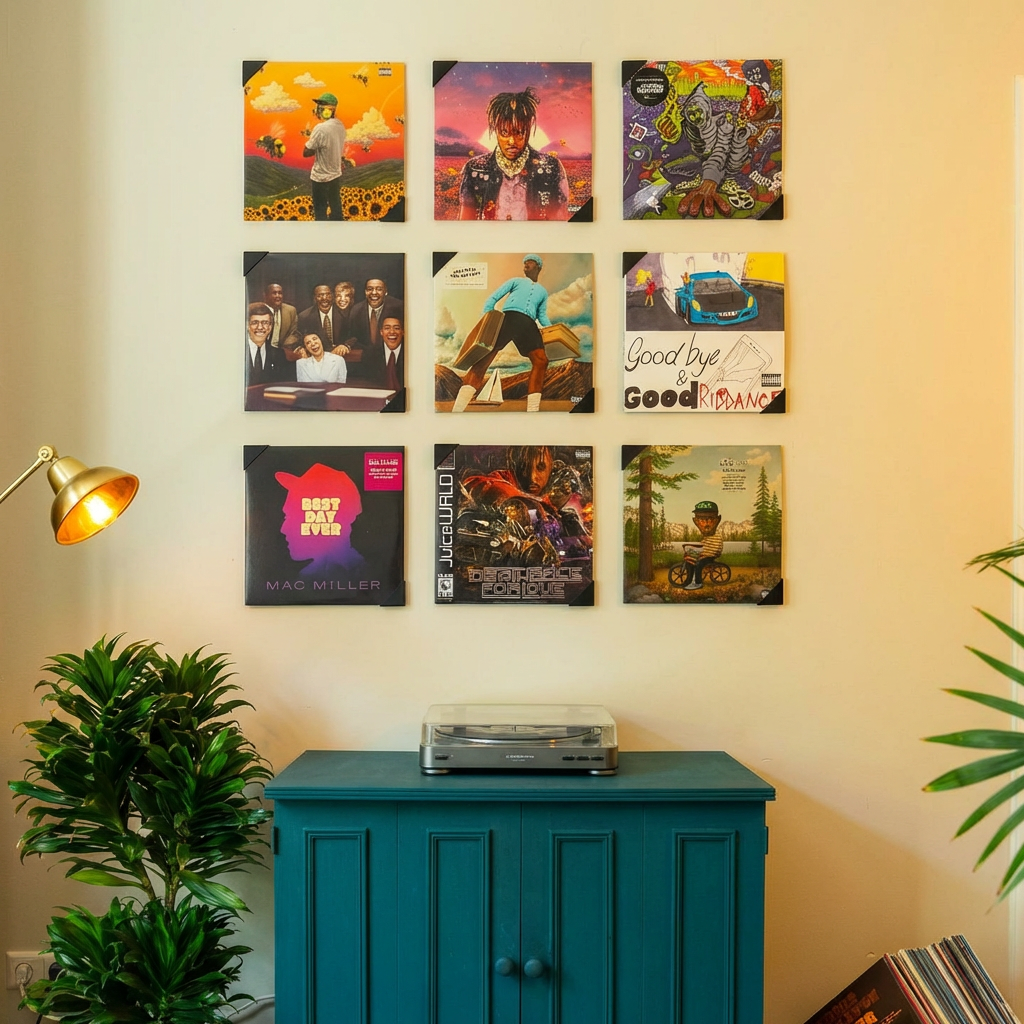
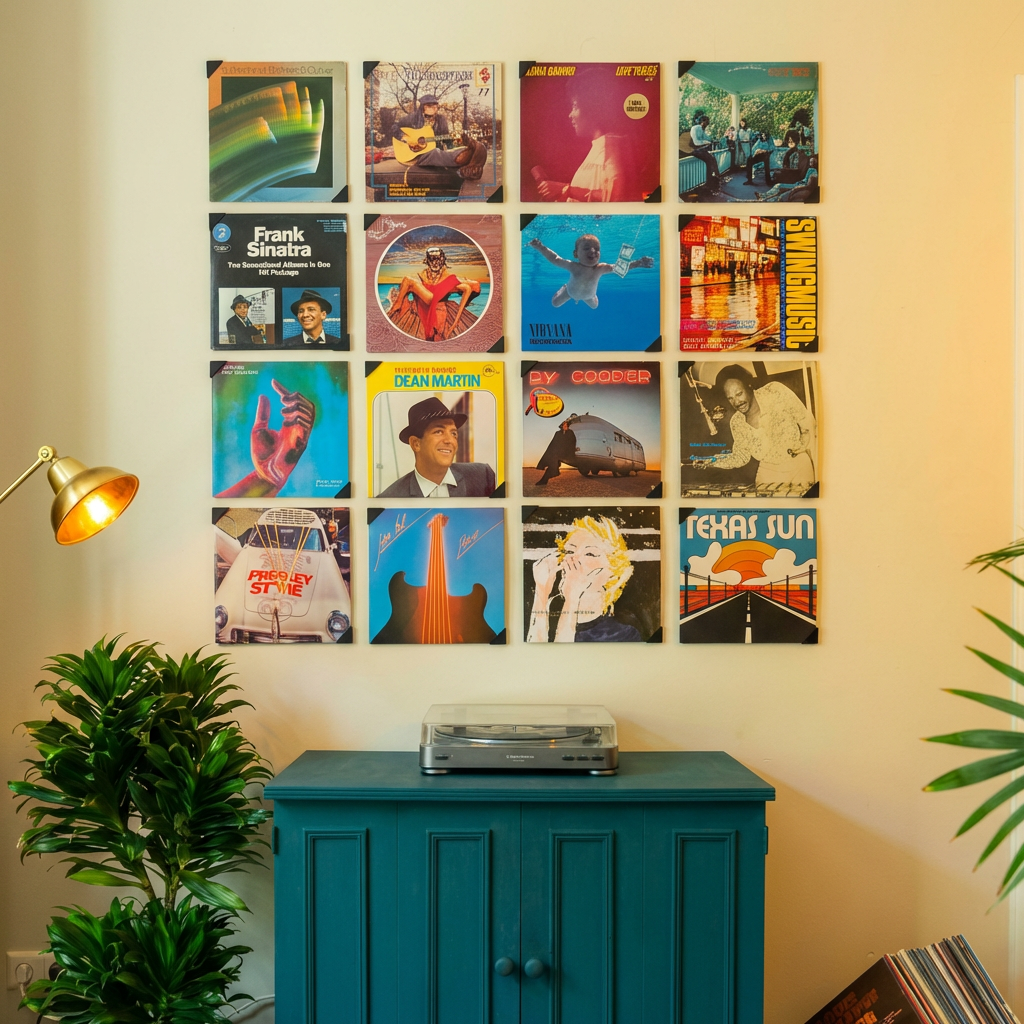
Yet, this popularity also has a downside. Making records more expensive makes collectors more selective. Instead of blindly buying stacks, people more consciously choose albums they really want to play and keep. This shift is also reflected in how people present their collection: more and more vinyl lovers choose to hang their favorite records on the wall as decoration and conversation pieces. Do you want to do that too? Then read our 5 tips for hanging your LP on the wall for a beautiful result without drilling or damage.
Smartly dealing with rising LP prices
Fortunately, there are ways to wisely deal with higher vinyl prices. Firstly, it pays to buy second-hand. At record fairs, in thrift stores, and via online marketplaces, you can often find beautiful records for a fraction of the new price. Curious where to look? We have listed the 5 best places to find second-hand vinyl for you.
Secondly, patience helps. New releases are often most expensive in the first few weeks. After a few months, prices regularly drop by five to ten euros. Those who don't necessarily want to have it on the first day can therefore save a lot on vinyl collecting costs.
Finally, it is smart to store and present your collection well. A record in good condition retains its value much better than a damaged one. Also consider storage: a stylish LP rack protects your records and keeps your collection organized.
Conclusion: vinyl remains worthwhile
Vinyl records becoming more expensive is a trend that will not stop for now. The combination of higher production costs, limited pressing capacity, and explosively growing popularity means that LP prices are structurally higher than a decade ago. Nevertheless, vinyl remains unique: the sound, the ritual, and the experience are something no streaming service can match. By buying smart, looking for second-hand, and taking good care of your collection, you get the most out of your vinyl hobby, even if buying records becomes more expensive.

Deel:
The Best Online Stores to Buy Vinyl Records
What you need to know about colored vinyl