

Colored vinyl raises the same questions for almost every collector. Does it sound as good as black vinyl, is it really rarer, and why are the prices often higher? In this article, we answer the most frequently asked questions about colored vinyl, so you'll know exactly what to look for before buying a colorful record.
Does colored vinyl sound worse than black vinyl?
Is the sound quality of colored vinyl truly different due to the added dye? This used to be true, as colored pressings were then produced with less care and often seen as a side note to the regular black release. Nowadays, however, the difference is minimal, as modern pressing plants adhere to the same quality standards for every color. Are Picture Discs and glow-in-the-dark editions just as good? Not entirely, because due to their different construction, these special variants can produce slightly more surface noise, especially audible in quiet passages. Does colored vinyl also wear out faster than a black record as a result? With a well-adjusted stylus and normal use, however, this difference is negligible in practice.
Why is colored vinyl more expensive and rarer?
Why do you often pay more for a colorful edition than for the black version? This is mainly due to smaller print runs and a more complex production process, which increases the cost per unit. Is colored vinyl therefore also worth more as a collector's item? Certainly for limited releases, as scarcity significantly drives up demand among collectors. How do you recognize such a limited edition among all the releases in the store? Look for special stickers on the sleeve, numbered copies, or mentions on the label that clearly indicate the edition size. Curious which records are really worth showcasing? Then check out our guide on which LPs are worth hanging. Do you also want to know more about price increases in the vinyl world in general? Then read our article on why vinyl records are becoming more expensive.
What types of colorful records exist?
What is the difference between transparent and opaque colored vinyl? With transparent vinyl, light still shines through, while opaque variants let no light through at all and resemble a classic record, but in color. Additionally, there are numerous other versions, such as marble patterns, splatter, and glow-in-the-dark, each with its own unique appearance on the shelf. How do you know if you have an official release or a bootleg? Always compare the label, sleeve print, and weight with reliable sources like Discogs, as bootlegs often lack the proper finishing and quality. How do you best store and maintain colored vinyl so that the colors remain beautiful? Store your records vertically, away from direct sunlight, and clean them regularly with an anti-static brush. Our tips for maintaining your vinyl records will help you get started.
Black or a colorful edition: what do you choose?
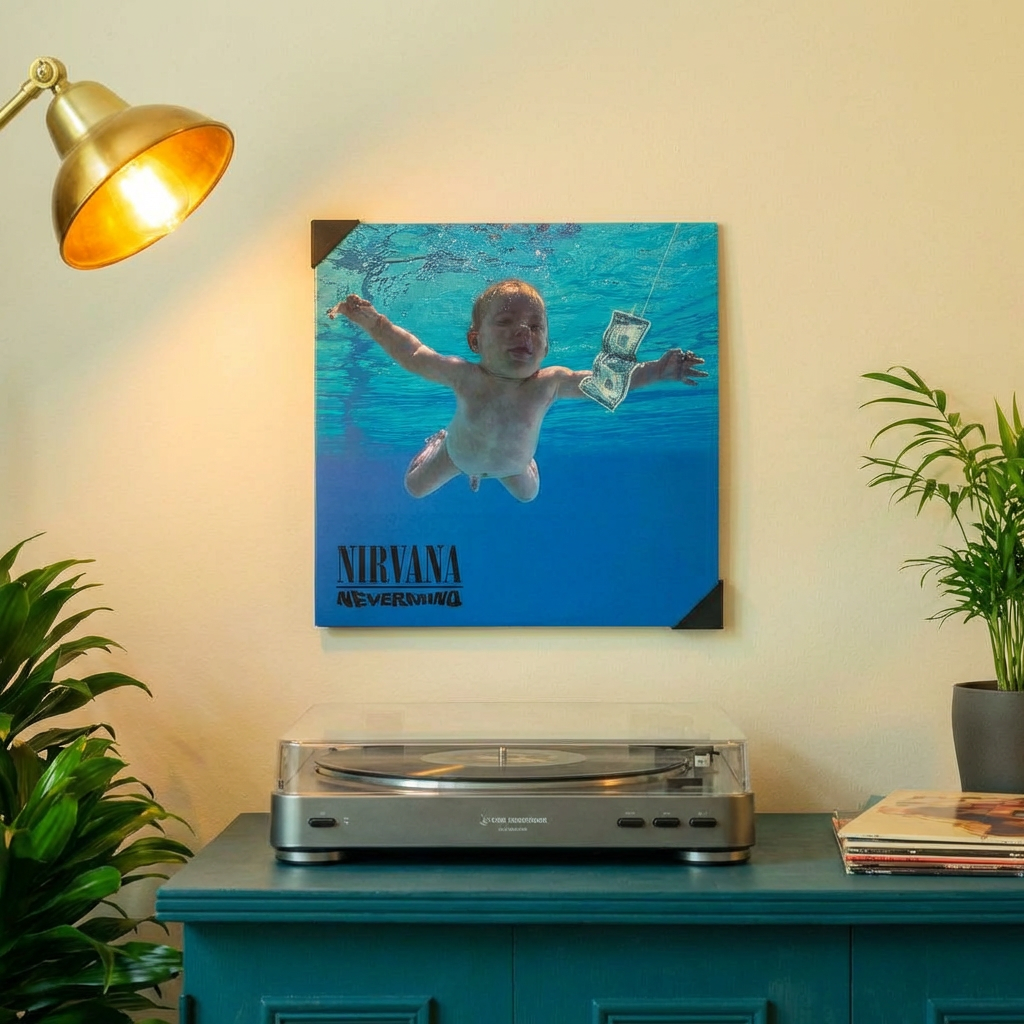
Should you always choose black if sound quality is your top priority? Not necessarily, as with modern pressings, you hardly hear any difference anymore, as long as you choose a reliable label with a good reputation. Why don't record companies release every album on colored vinyl then? This is mainly due to costs, as colorful pressings require extra production steps that are not profitable for every release. Nevertheless, more and more artists are opting for a colorful release to give their album an extra dimension and stand out from the rest. Do you also want to display your copies beautifully instead of hiding them in a cabinet? Then a wall mount is the ideal solution to showcase your colored vinyl as a work of art without having to drill. Read our tips for hanging vinyl on the wall for practical inspiration.
So, is colored vinyl worth it? Absolutely, as long as you know what to look for in terms of quality, rarity, and origin. Combine your collection with a beautiful presentation on the wall, and you'll get optimal enjoyment from both the sound and the appearance of your records.



Deel:
Why are vinyl records getting more expensive? The real reason
The Record Fair Calendar 2027 – you don't want to miss this!